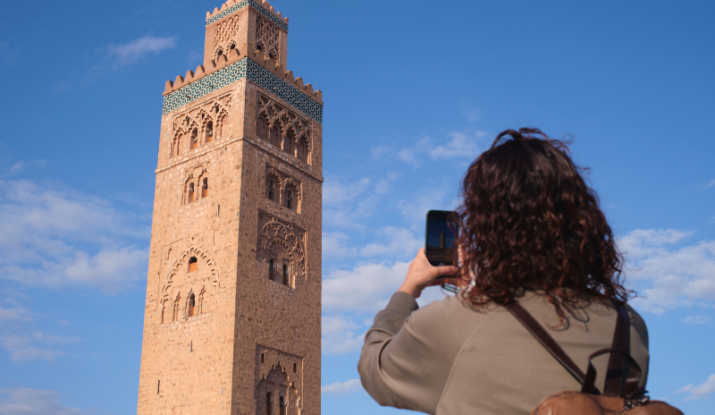
Deciding to move somewhere new is one thing. Relocating to Marrakesh specifically comes with a set of practical questions that don’t always surface until you’re already deep into the process — property ownership rules for foreign buyers, which neighborhoods actually suit long-term living versus a holiday visit, and how different daily life feels once the initial charm of the medina settles into routine. This guide covers what tends to matter most, based on the questions we hear repeatedly from people in the early stages of making this move.
Marrakesh draws a wide range of relocators — retirees looking for a slower pace and better weather, remote workers drawn by cost of living and quality of life, and buyers investing in a riad or villa as both a residence and an income property. The practical groundwork differs slightly depending on which category you fall into, but the core questions overlap considerably.
Understanding Property Ownership as a Foreign Buyer
Morocco permits foreign ownership of real estate in most circumstances, which distinguishes it from several neighboring markets where foreign buyers face significant restrictions. That said, the process involves specific steps that differ from what buyers may be used to elsewhere: working with a notary who verifies title and handles the legal transfer, registering the property with the relevant land registry, and in most cases, a foreign buyer will also need to work through currency exchange regulations tied to how the purchase is financed and documented.
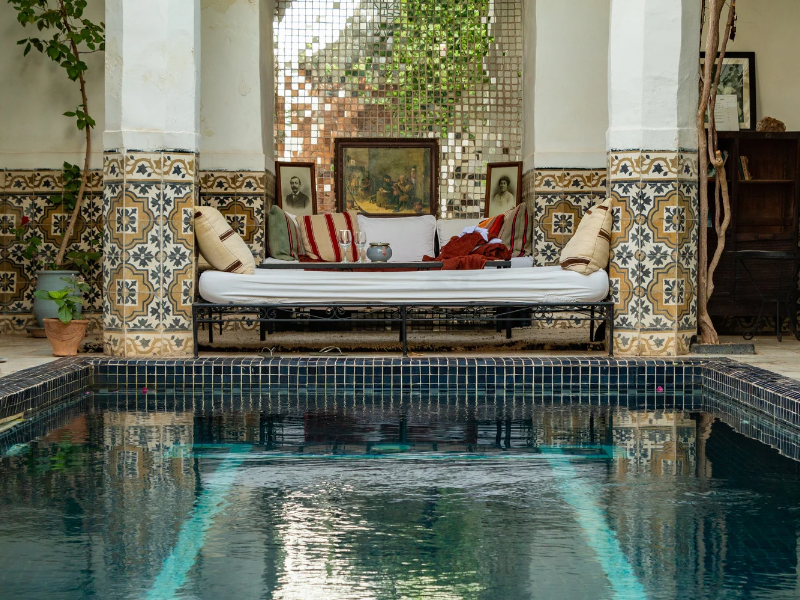
Riads — the traditional courtyard houses concentrated in the medina — carry their own set of considerations beyond standard property law. Many are older structures, some centuries old, which means structural inspections matter considerably more here than with a modern villa. Buyers who skip a thorough inspection sometimes discover foundation, drainage, or structural issues only after purchase, at which point corrections become both more expensive and more complicated than they would have been to negotiate beforehand.
Choosing a Neighborhood: Medina, Gueliz, or the Palmeraie
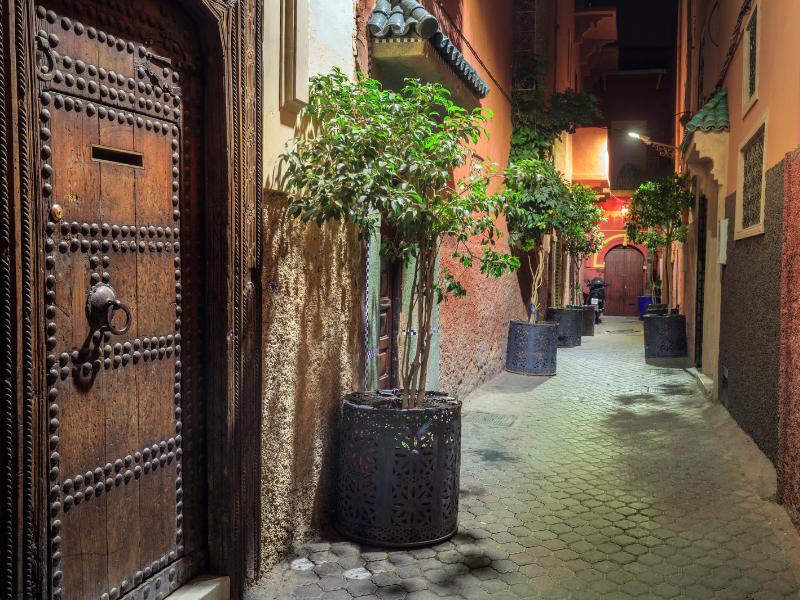
Where you settle in Marrakesh shapes daily life more than almost any other single decision. The medina offers the traditional riad experience — narrow streets, historic architecture, walking-distance access to markets and daily life — but it also means navigating a denser, less car-friendly environment, particularly relevant for anyone planning to drive regularly or manage deliveries and services.
Gueliz, the more modern district, offers wider streets, easier parking, and a layout closer to what many relocators are used to, with a strong concentration of restaurants, cafes, and services aimed at both residents and longer-term visitors. The Palmeraie, on the city’s outskirts, appeals to buyers wanting larger villa properties with private gardens and more space, at the cost of a longer commute into the city center for daily errands.
“The buyers who end up happiest with their choice are almost always the ones who rented in the neighborhood first, even briefly, before committing to a purchase there.”MAZAYA property advisory team
Visas, Residency, and Practical Paperwork
Morocco offers several residency pathways depending on circumstances — property ownership above certain thresholds, demonstrated income for retirees, or employment-based residency for those working locally or remotely for a foreign employer. Requirements and thresholds shift periodically, so relocators should verify current requirements directly rather than relying on information that may be a year or two out of date by the time they’re ready to apply.
Beyond residency itself, practical paperwork tends to catch new relocators off guard: opening a local bank account, registering utilities in your name, and understanding healthcare access, whether through Morocco’s public system or private insurance more commonly used by expats. None of these steps are especially difficult individually, but underestimating the cumulative time they take is one of the most common early frustrations for people relocating without local guidance.
Cost of Living: What Actually Changes and What Doesn’t
Marrakesh’s cost of living remains genuinely lower than most Western European or North American cities across most categories — housing, dining out, domestic staff, and general services. Where costs can surprise relocators is in imported goods, certain specialty foods, and international schooling for families relocating with children, all of which tend to run closer to Western pricing rather than local Moroccan pricing.
Ongoing property costs also deserve attention before purchase, not after: syndic fees for co-owned buildings, riad-specific maintenance given older building materials, and seasonal costs like cooling during Marrakesh’s intense summer heat. Buyers who budget only for the purchase price and monthly rent-equivalent costs, without accounting for these ongoing property expenses, sometimes find their actual cost of living higher than initial estimates suggested.
Building a Support Network Before You Need One
The relocators who adjust most smoothly tend to establish local support before problems arise, rather than searching for help reactively once something’s already gone wrong — a reliable property manager, a notary or legal contact for ownership questions, and a maintenance provider who understands the specific needs of older riads or larger villa properties. This groundwork matters especially for anyone who won’t be living in Marrakesh full-time initially, or who’s managing the relocation process partly from abroad.
This is where working with an established property management team makes a measurable difference. MAZAYA is expanding its services to Morocco, with support for relocating buyers — including property search guidance, riad and villa inspections, and ongoing property management once a purchase closes — planned as part of that expansion. Explore MAZAYA’s comprehensive solutions through our services page, or book an appointment to discuss your relocation timeline and needs.
Making the Move With Confidence
Relocating to Marrakesh rewards preparation more than almost any other step in the process. The buyers and expats who settle in most successfully are the ones who researched ownership rules, spent real time in prospective neighborhoods before committing, and built a local support network before urgently needing one. For guidance specific to your situation, browse our broader property management work in our portfolio, or reach our team directly via the contact page.
For more relocation and real estate guidance, visit MAZAYA.Pro or explore our blog.
1 Comment
Margaret Ellison
Wish I’d read the ongoing costs section before we bought our riad. We budgeted for the purchase and the renovation but completely underestimated seasonal upkeep — it added up faster than we expected in year one.