

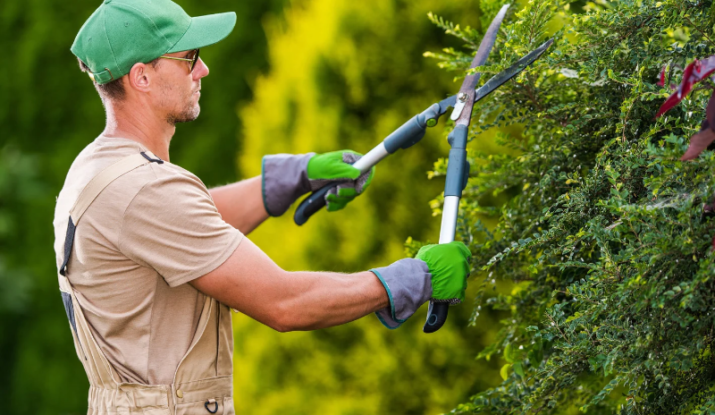
Anyone can plant a row of shrubs along a fence line. Professional gardening and landscaping is a different discipline entirely — one that treats a garden as a system that has to keep working through every season, not just look good on the day it’s installed. The properties with gardens that consistently impress visitors, hold their value, and require less emergency intervention almost always share the same underlying approach: design and maintenance planned together from the start, rather than maintenance improvised after the fact.
This distinction matters whether you’re managing a single villa garden or overseeing landscaping across a residential development. What follows covers the core elements that separate landscaping that lasts from landscaping that needs constant, costly correction.
Design That Accounts for the Site, Not Just the Vision
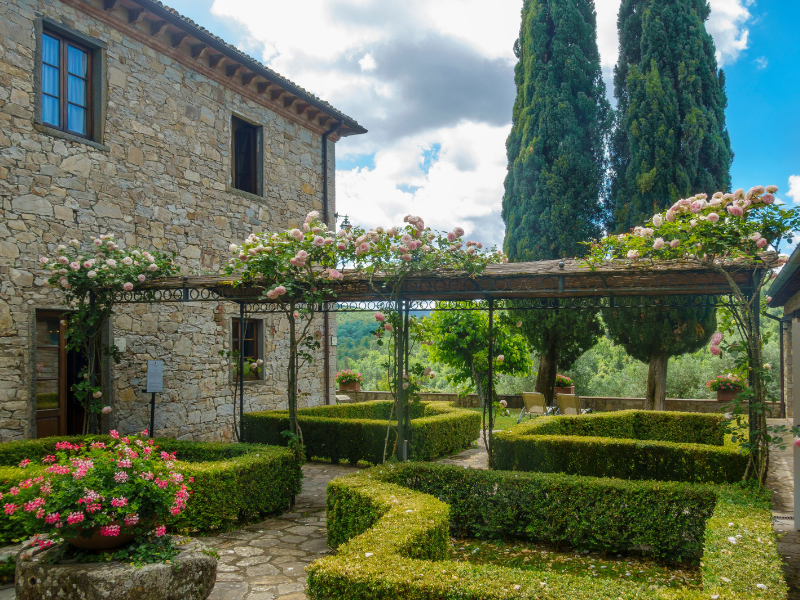
The most common mistake in garden design isn’t aesthetic — it’s failing to design around the actual conditions of the site. A planting scheme that looks stunning in a design rendering can fail within a season if it ignores sun exposure, soil drainage, or the microclimate created by nearby walls and structures. Professional landscaping starts with a site assessment: soil testing, sun-path mapping across the seasons, and an honest read of water availability, before a single plant gets selected.
This groundwork also determines long-term maintenance cost. A garden designed around plants genuinely suited to the site’s conditions needs far less intervention — less supplemental watering, less pest treatment, less replacement planting — than one designed purely around appearance and corrected later through constant upkeep.
Plant Selection: Native and Adapted Species First
The strongest gardens tend to lean heavily on native or well-adapted plant species, supplemented rather than dominated by ornamental imports. Native plants have already solved the problems a garden designer is otherwise trying to engineer around — local pest resistance, appropriate drought tolerance, compatibility with local soil chemistry. This doesn’t mean avoiding ornamental or exotic plantings entirely; it means using them deliberately, in positions where their higher maintenance need is justified by the visual impact they deliver.
“The gardens that hold up best over years aren’t the ones with the most exotic plant list — they’re the ones where every plant earns its water and its space.”MAZAYA landscaping team
Layering matters here too. Gardens with a genuine mix of canopy trees, mid-height shrubs, and ground cover tend to be more resilient and require less intervention than gardens planted at a single height, since the layered structure naturally shades soil, reduces water loss, and limits weed establishment.
Irrigation: The System Most Gardens Get Wrong
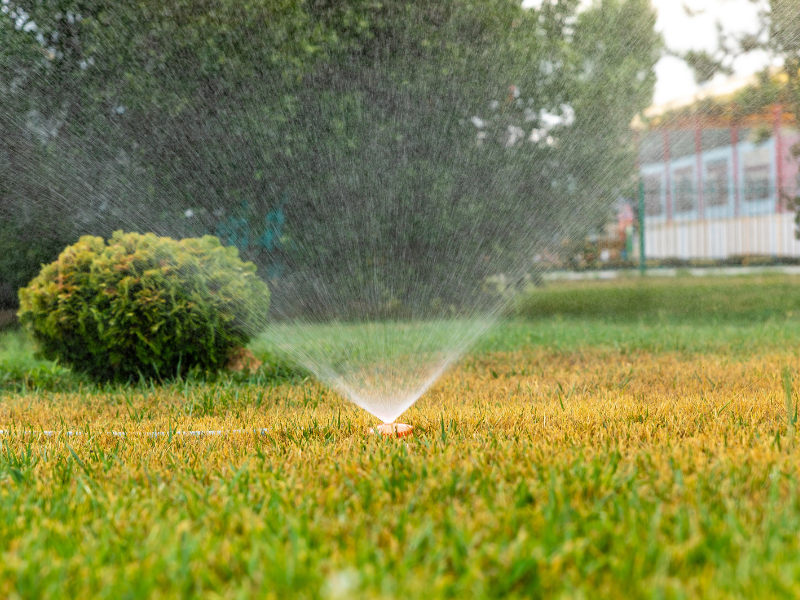
Poor irrigation is behind more landscaping failures than any other single factor, and it’s rarely about total water volume — it’s about timing and delivery method. Overhead sprinklers running during peak sun hours lose a significant percentage of water to evaporation before it ever reaches root systems. Drip irrigation, run during early morning or evening hours, delivers water directly to root zones with far less waste and considerably less risk of fungal issues that come from wet foliage sitting overnight.
Smart irrigation controllers that adjust watering schedules based on actual weather data, rather than a fixed calendar setting, have become a meaningful upgrade for properties serious about both water efficiency and plant health. A garden that’s slightly underwatered during a cool, rainy stretch or overwatered during a mild week wastes resources either direction, and automated adjustment solves a problem that manual scheduling almost never catches in time.
Seasonal Maintenance: Where Most Gardens Are Won or Lost
A garden’s appearance in any given month is largely determined by decisions made one or two seasons earlier — pruning timed to encourage the right growth pattern, fertilization applied before a growth cycle rather than after decline is visible, and pest monitoring frequent enough to catch problems while they’re still treatable with minimal intervention.
The maintenance tasks that consistently separate well-kept gardens from struggling ones include:
- Seasonal pruning timed to each plant species’ specific growth cycle, rather than a single annual pass across everything
- Soil amendment and mulching, ideally twice yearly, to maintain organic matter and moisture retention
- Pest and disease monitoring on a short enough cycle to catch issues before they spread beyond a single plant or bed
- Lawn care calibrated to grass type, since mowing height, watering frequency, and fertilization needs vary significantly between cool-season and warm-season grasses
Properties that treat these as a fixed schedule, rather than reactive tasks handled only once a problem becomes visible, consistently need less corrective work and fewer full replacements over time.
When a Garden Needs More Than Routine Maintenance
Occasionally a garden’s underlying structure — grading, drainage, hardscaping — needs correction rather than ongoing maintenance. Standing water after rain, erosion along slopes, or trees planted too close to structural foundations are signs that the original landscape development, not the maintenance routine, needs revisiting. Addressing these structural issues before layering more planting or irrigation on top tends to save considerably more than treating symptoms indefinitely.
This is where MAZAYA’s approach to landscape development differs from a purely maintenance-focused service. Rather than treating garden design, irrigation, planting, and ongoing care as separate contracted tasks, MAZAYA coordinates them as a single, connected plan — which tends to catch structural issues earlier and reduces the repeated cost of fixing the same problem multiple times under different service categories.
Getting Professional Support
For property owners managing a garden that’s underperforming, or planning a new landscape from scratch, you can explore MAZAYA’s comprehensive solutions through our services page, book an appointment for a site assessment, browse completed landscaping projects in our portfolio, or reach our team directly via the contact page.
A garden that consistently looks good with minimal intervention isn’t the product of luck or a bigger maintenance budget — it’s the product of design decisions made correctly the first time. For more property care guides like this, visit MAZAYA.Pro or explore our blog.
Comments (2)
Youssef Benali
Really appreciated the point about native species not being a compromise. We redesigned our courtyard garden around adapted plants two years ago and our maintenance costs dropped noticeably, not just the water bill.
Elena Marchetti
The irrigation timing point explains so much — we were watering in the afternoon for years and always wondered why our beds still looked stressed. Switched to early morning drip and the difference was almost immediate.