
Walk into two facilities of the same size and industry, and the difference between them is rarely visible on a walkthrough checklist alone. Industrial cleaning done properly isn’t about appearances — it’s about the buildup you can’t see until it becomes a safety, compliance, or equipment failure. Dust in a ventilation system, grease in a food-processing line, residue in a chemical storage area — these accumulate slowly, and by the time they’re visible, the cost of correcting them has usually multiplied several times over.
This is why industrial cleaning operates on a different logic than commercial or residential cleaning. It’s less about aesthetics and more about risk management, regulatory compliance, and protecting equipment that’s often worth far more than the cleaning contract itself.
Why Industrial Cleaning Isn’t Just “Bigger” Commercial Cleaning
The instinct to treat industrial cleaning as a scaled-up version of office cleaning is where a lot of facilities go wrong. Office cleaning deals mostly with surface dirt and general hygiene. Industrial environments introduce variables that change the entire approach: hazardous material handling, machinery that can’t simply be wiped down, confined spaces that require specific safety protocols, and regulatory standards — OSHA, EPA, or local equivalents — that dictate not just what gets cleaned but how and by whom.
A warehouse floor covered in oil residue isn’t just unsightly; it’s a slip hazard that insurance auditors will flag. A dust-covered HVAC intake in a manufacturing plant isn’t cosmetic; it’s a fire risk and an air-quality problem that can trigger respiratory issues among staff. The stakes are structurally different, which is why industrial cleaning teams need training and equipment that general janitorial services typically don’t have.
Core Areas That Require Specialized Attention
Machinery and Equipment Cleaning
Heavy machinery accumulates grease, metal shavings, and production residue that, left unaddressed, accelerates wear and can void manufacturer warranties. Cleaning here isn’t a matter of spraying and wiping — it requires understanding which solvents are safe for specific materials, how to clean without damaging seals or electronics, and when equipment needs to be powered down entirely before servicing begins.
Floor and Surface Degreasing
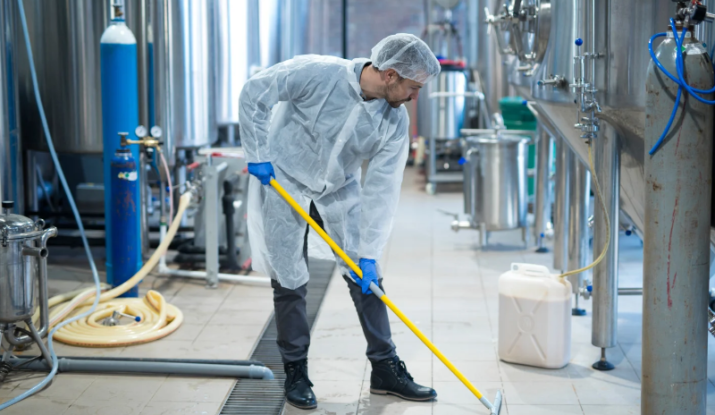
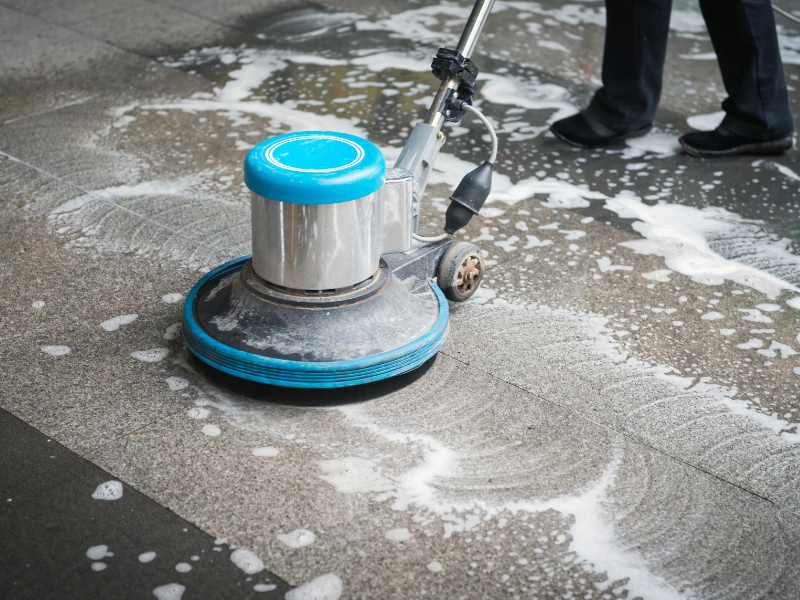
Industrial floors, particularly in manufacturing and food processing, face a different challenge than typical flooring: they’re exposed to oils, chemical spills, and heavy foot or vehicle traffic simultaneously. Degreasing requires industrial-grade equipment — pressure washers, floor scrubbers, and degreasing agents rated for the specific surface material — applied on a schedule that matches actual usage rather than a generic calendar.
“The facilities that call us after an incident almost always had a cleaning schedule on paper — it just wasn’t being followed closely enough to catch what was actually building up.”MAZAYA facilities maintenance team
Ventilation and Air Quality Systems
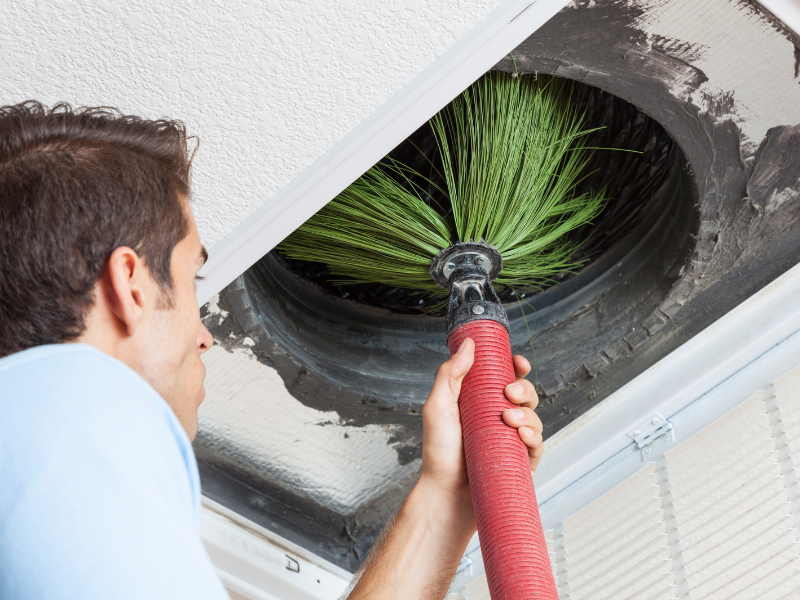
Dust, particulate matter, and airborne contaminants collect in ductwork and filtration systems regardless of industry. In facilities handling combustible dust — wood processing, grain storage, certain metalworking — this isn’t a maintenance nicety, it’s a documented fire and explosion risk that regulatory bodies inspect specifically. Regular duct cleaning and filter replacement schedules aren’t optional line items; they’re part of a facility’s actual safety infrastructure.
Building a Cleaning Schedule That Actually Holds Up
Most industrial cleaning failures don’t come from a lack of a schedule — they come from a schedule that isn’t realistic for the facility’s actual conditions. A cleaning plan built around a generic monthly or quarterly cycle, applied identically across every area of a plant, tends to under-clean high-traffic zones and over-clean low-risk ones.
A schedule that holds up in practice usually separates tasks into three tiers:
- Daily tasks — sweeping, spill response, and basic surface wipe-downs in high-contact or high-risk areas.
- Weekly to monthly tasks — floor degreasing, equipment surface cleaning, and waste area sanitation.
- Quarterly to annual tasks — deep ventilation cleaning, tank or silo interior cleaning, and full equipment teardown cleaning during scheduled downtime.
The facilities that stay ahead of compliance issues are almost always the ones that treat this tiered structure as fixed, rather than the first thing to get pushed back when production schedules get tight.
Compliance, Documentation, and Why It’s Not Just Paperwork
In regulated industries, cleaning records aren’t bureaucratic overhead — they’re often the first thing an auditor or insurance assessor asks for after any incident. A documented cleaning log demonstrates that a facility followed a reasonable standard of care, which matters both for regulatory outcomes and liability if an accident does occur. Facilities without this documentation frequently find that even a well-maintained space looks negligent on paper simply because nothing was recorded.
This is an area where working with an experienced provider changes outcomes significantly. MAZAYA structures its industrial cleaning contracts around this exact need — combining the physical cleaning work with the documentation and scheduling discipline that keeps a facility defensible, not just clean-looking, when it matters most.
Choosing Between In-House and Contracted Industrial Cleaning
Some facilities keep cleaning in-house, particularly larger operations with dedicated maintenance staff already on payroll. Others find that contracting specialized industrial cleaning teams is more cost-effective, since it avoids the capital expense of specialized equipment and the liability of training staff on hazardous material handling. The right answer usually depends on facility size, industry risk level, and whether in-house staff already have the certifications that certain cleaning tasks legally require.
For facilities weighing this decision, it’s worth explaining MAZAYA’s comprehensive solutions through our services page, which cover both one-time deep cleans and ongoing maintenance contracts tailored to specific industries. You can also book an appointment for a facility assessment, browse past industrial projects in our portfolio, or reach our team through the contact page.
The Bottom Line
Industrial cleaning done right is invisible in the best sense — it’s the incidents that don’t happen, the audits that pass without issue, the equipment that lasts its full expected lifespan rather than failing early. It’s rarely the most visible part of running a facility, which is exactly why it’s the part most likely to get deprioritized until something forces the issue. For more guidance on facility maintenance and industrial upkeep, visit MAZAYA.Pro or explore our blog.
Comments (2)
Marcus Thibodeaux
The point about documentation really stuck with me — we had a spotless plant floor but almost nothing logged, and our insurance assessor still flagged us after a minor incident last year. Fixed that within a month of reading something similar.
Aisha Rahman
We went back and forth for years on in-house vs. contracted cleaning for our warehouse. Ended up contracting it out mainly because of the liability around solvent handling — cheaper than training and certifying our own staff for it.